
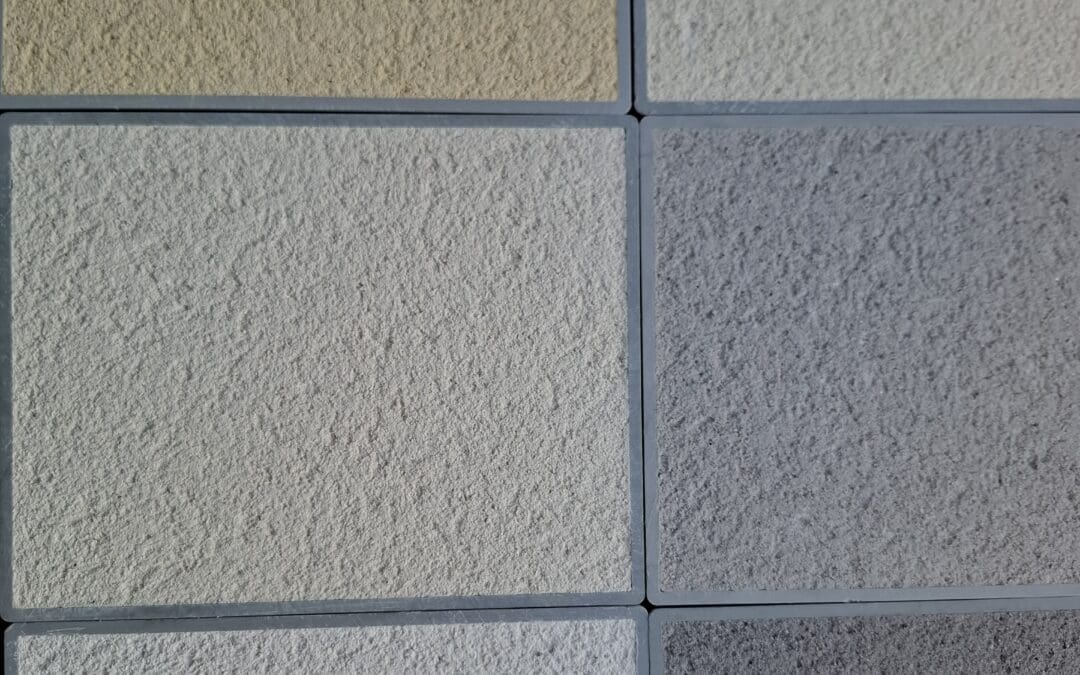
A K Rend finish review should start with the wall beneath it, not the colour chart. When it is specified correctly and applied to a sound, properly prepared surface, K Rend can give a property a crisp, modern exterior that holds its appearance far better than a painted sand and cement render. When preparation is rushed, however, even an attractive finish can be let down by cracking, staining or uneven areas.
For homeowners across Manchester and the North West, K Rend is often considered when an older façade looks tired, a new extension needs to match the house, or external insulation is being added. It is a well-known coloured render system, but it is not a one-size-fits-all answer. The best result depends on the building, the existing substrate and the standard of workmanship.
What does a K Rend finish look like?
K Rend is most commonly recognised for its clean, through-coloured finish. Rather than relying on exterior masonry paint for its final colour, the render itself contains pigment. This gives the wall a more consistent appearance and removes the regular repainting cycle associated with many traditional render finishes.
A popular choice is a scraped texture, sometimes called a scraped or scratch finish. Once the render has started to set, the surface is carefully scraped back to create an even, fine texture. It has enough character to avoid looking flat, while still giving a smart and contemporary result. Colour choices tend to include whites, creams, greys and warmer neutral shades, which suit both period properties and newer builds.
The finished appearance can look excellent on full-house render projects, garden walls, extensions and commercial frontages. That said, a light colour will naturally show dirt sooner than a mid-tone shade, particularly near busy roads or beneath trees. Choosing a colour should involve practical thinking as well as personal taste.
K Rend finish review: the main benefits
The strongest reason to choose a K Rend system is its combination of appearance and lower maintenance. A correctly installed coloured render gives a property an immediate facelift, often covering mismatched brickwork, old patch repairs or dated render. For landlords and commercial owners, it can also help a building look better cared for without committing to frequent repainting.
Because the colour runs through the finishing coat, small surface marks are less obvious than they would be on painted render. This does not mean the wall is indestructible. A heavy impact can still damage the surface, but minor knocks do not reveal a completely different colour underneath.
Modern render systems are designed to manage moisture vapour while providing a weather-resistant outer surface. This matters in Greater Manchester, where driving rain and damp conditions place real demands on exterior walls. On suitable substrates, the right system helps protect the building while maintaining a clean finish.
There is also a consistency advantage. Traditional render can be painted in almost any colour, but the final quality depends heavily on paint preparation and future upkeep. With K Rend, the colour and texture are built into the finish from the start, creating a more unified look when the application has been carried out carefully.
Where K Rend can fall short
No honest review should suggest that coloured render is maintenance-free. Atmospheric dirt, algae and staining can develop, especially on shaded elevations, around overflowing gutters or where plants sit close to walls. Regular visual checks and gentle cleaning when required will help keep the finish looking its best.
Cracking is another concern homeowners often raise. K Rend itself is not the cause of every crack, but render cannot solve movement in the building. If an extension is settling, lintels are failing, a substrate is unstable or there are existing structural cracks, these issues need dealing with before a decorative finish is applied. Mesh reinforcement, correct beads and appropriate movement detailing are part of a proper installation, not optional extras.
Matching a repaired area can also be difficult. Even where the same product and colour are used, age, weathering and the texture of the original application can make a patch noticeable. This is why it is worth addressing underlying defects early and using an experienced renderer for repairs rather than treating them as a quick cosmetic job.
Finally, the initial cost can be higher than a basic render-and-paint approach. The difference reflects the system materials, preparation and skilled application required. Over time, reduced repainting and a longer-lasting appearance may make it good value, but the right choice will depend on the condition of the property and your plans for it.
The preparation that makes the difference
The quality of the finished wall is decided long before the final coat goes on. Existing surfaces need to be assessed for loose render, failed paint, cracks, damp issues and contamination. Brickwork, blockwork, old render and external wall insulation each require different preparation and compatible materials.
A reliable contractor should explain what needs removing, repairing or priming before work begins. They should also inspect details that are easy to overlook, including window sills, roof verges, downpipes, drip beads and junctions with neighbouring finishes. Water should be directed away from the wall rather than allowed to run over a new render surface.
On larger elevations or areas prone to movement, reinforcement mesh is normally embedded within the base coat. Corners, reveals and openings need accurate beads and clean lines. These details are what make a rendered property look sharp from the pavement as well as close up.
Weather matters too. Rendering in persistent rain, frost, intense direct sun or unsuitable temperatures can compromise curing and appearance. A good installer plans around conditions, protects the work where necessary and does not force progress simply to finish quickly.
Is K Rend suitable for every property?
K Rend can suit many homes, but suitability comes down to the wall construction and the system being proposed. Sound masonry is often a good candidate after the required preparation. It can also be used as part of an external wall insulation installation, where insulation boards are fixed to the outside of the building before a reinforced render system is applied.
Older solid-wall homes deserve particular care. They may have damp problems, defective pointing, unsuitable previous coatings or ventilation issues that must be understood first. Applying any render over a wall with unresolved moisture problems is unlikely to provide the outcome an owner wants.
For properties with significant movement, exposed timber framing or heritage requirements, another solution may be more appropriate. This is not a weakness of K Rend. It is simply a reminder that the finish should follow a proper survey, rather than being chosen from photographs alone.
Maintenance after installation
A K Rend finish does not need painting as part of normal upkeep, but it does benefit from sensible care. Keep gutters clear, repair leaking pipes promptly and avoid allowing soil or plants to sit against the rendered wall. These small measures reduce the damp and staining that can spoil any exterior finish.
If cleaning is needed, start gently. A low-pressure wash with a suitable cleaning product is generally safer than aggressive pressure washing, which can damage the surface or drive water into weak points. Avoid harsh abrasive methods. If algae returns quickly, look for the cause, such as overhanging trees, poor drainage or a constantly shaded elevation.
Inspect the exterior annually for cracks, damaged sealant around windows, loose fittings and failed rainwater goods. Early repairs are usually straightforward and help protect the appearance of the whole elevation.
What to ask before choosing a renderer
A good quotation should make clear what system is being used, how the existing wall will be prepared and what is included around windows, doors, pipes and other details. It should not simply say “render front of house” and leave the important decisions until work has started.
Ask to see completed projects with a similar finish, and discuss whether your preferred colour suits the location. It is also sensible to ask how surrounding areas will be protected and how the site will be kept tidy. Rendering is skilled exterior work, but respectful preparation and clean working practices matter just as much to householders.
At DecoRenders, the focus is on recommending a finish that works for the property, rather than pushing a single product for every job. A clear assessment at the beginning gives homeowners a far better chance of enjoying the result for years.
A K Rend finish is a strong option when you want a modern, coloured exterior with less dependence on repainting. Choose the system after the wall has been properly assessed, and choose the installer for their preparation and finish quality as much as their price. That is where a smart-looking exterior becomes a lasting improvement rather than a short-term cover-up.
Recent Comments