
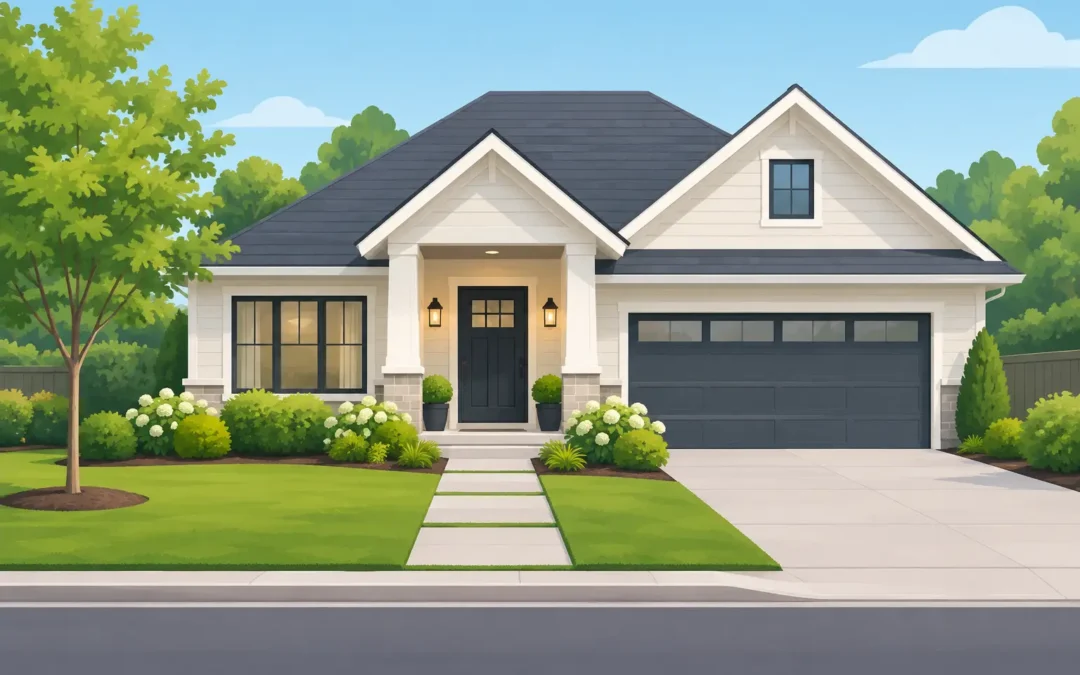
The front of a property makes its impression before anyone reaches the door. Cracked render, stained brickwork, tired paintwork and an overgrown path can make an otherwise well-kept home feel neglected. Knowing how to improve kerb appeal is less about adding expensive features and more about getting the visible basics right: clean lines, sound surfaces, a welcoming entrance and finishes that suit the building.
For homeowners, landlords and small commercial property owners, this work can make a property more enjoyable to come home to, more attractive to tenants or customers, and more appealing when it is time to sell. The best results tend to come from tackling condition first, then making considered cosmetic improvements.
Start with the condition of the exterior
Kerb appeal cannot be built on surfaces that are failing. Stand across the road from your property and look at it as a visitor would. Pay attention to cracks, staining, loose render, peeling paint, damaged pointing, broken gutters and uneven paths. Small defects are often more noticeable from a distance than owners expect.
Exterior walls deserve particular attention. Hairline cracks may be cosmetic, but wider or recurring cracks, blown render and damp staining should be assessed before painting over them. A fresh coat of paint may improve the appearance for a short time, yet it will not solve movement, water ingress or an unsuitable background surface.
A professional render repair or replacement can transform a dated façade while also restoring weather protection. Modern coloured render systems are especially useful where homeowners want a clean, low-maintenance finish without the repeated repainting associated with some traditional painted exteriors. The right system depends on the wall construction, the condition of the existing surface and whether improved insulation is also a priority.
How to improve kerb appeal with a better façade
The main elevation is usually the largest visual element of the property, so it has the greatest effect on kerb appeal. If the render is patchy, heavily painted, cracked or simply out of date, improving this area will typically do more than adding decorative accessories around the entrance.
Choose colour with the street in mind
Colour should give the property a lift without fighting against its roof, windows, neighbouring homes or local character. Warm whites, soft greys, light stone shades and muted creams often work well on North West homes because they look smart in changing light and complement common brick, slate and tiled roofs.
Darker shades can be effective on contemporary extensions, garden walls or shopfronts, but they need careful use. They may show dust, marks and weathering more readily, while a very dark façade can make a narrow frontage feel smaller. A lighter main finish with darker details around plinths, window reveals or boundary walls is often a balanced option.
It is worth viewing samples outdoors rather than choosing from a small colour chart inside. Natural light, shadows from nearby buildings and the orientation of the property can alter how a colour appears throughout the day.
Consider render as a long-term finish, not a quick cover-up
A quality rendered finish can modernise an older property, bring an extension and original house together visually, or give a commercial frontage a cleaner, more professional appearance. Monocouche and coloured render finishes provide colour through the material, reducing the need for routine repainting when installed correctly.
Preparation remains the key to a finish that lasts. The substrate must be stable, suitable materials need to be used in the right order, and details around openings, corners and joints must be properly formed. This is where skilled workmanship matters. A smooth, even finish can look simple when complete, but it relies on careful preparation and experienced application.
If your home is cold or has solid external walls, an external wall insulation render system may be worth discussing. It can improve the appearance and thermal performance at the same time. However, it changes the depth of the wall, so details such as window sills, pipework and roof edges need to be planned properly rather than treated as an afterthought.
Give the entrance a clear focal point
Once the façade is sound and presentable, turn to the route from the pavement to the front door. A welcoming entrance does not need to be elaborate. It needs to feel clean, safe and easy to use.
Start with the front door. If it is structurally sound, thorough preparation and repainting can be a cost-effective improvement. Choose a colour that complements the wall finish, rather than matching every element exactly. Deep blue, heritage green, charcoal or a rich red can add character to a neutral exterior, while timber tones suit properties with warmer brick or stone features.
Replace faded house numbers, worn letterboxes and corroded door furniture where necessary. These are small details, but they sit at eye level and signal how the property has been maintained. Make sure the number is easy to read from the road, particularly for visitors and deliveries.
Lighting also earns its place. A modest, well-positioned wall light can make an entrance safer and more inviting during dark winter evenings. Avoid fittings that are too large for the frontage or lights that cast harsh glare towards the pavement. For commercial properties, clear lighting around signs and doorways can improve both presentation and practical visibility.
Tidy the boundaries and approach
Paths, drives, gates and front garden boundaries frame the property. When they are cluttered or damaged, they can undermine even a newly rendered exterior.
Pressure washing can freshen paving, but use it with care. Over-cleaning soft stone, old pointing or loose block paving can cause damage. In some cases, a controlled clean, weed removal and repointing will give a better result than aggressive washing. Repair loose slabs and uneven areas, especially where they present a trip hazard.
Boundary walls and low garden walls should tie in with the property rather than compete with it. Rendering a tired wall in a complementary finish can create a more cohesive look, while repaired brickwork may be the better choice for a period home. Gates should open and close properly, with fresh paint or stain where appropriate.
Keep planting simple and maintained. A pair of healthy planters, clipped shrubs and clear edges can soften a hard frontage without creating extra work. If you are preparing a property for sale or letting, avoid filling the front garden with too many pots, ornaments or seasonal items. The aim is to make the space feel cared for and spacious.
Do not overlook the practical details
The strongest exterior improvements combine appearance with maintenance. Gutters, downpipes, soffits and fascias should be clean, secure and working properly. Overflow marks on a freshly finished wall can quickly spoil the effect, so resolve drainage problems before investing in render or paint.
Look up as well as straight ahead. Broken roof tiles, moss build-up, damaged chimney pointing and sagging gutters affect the whole impression of the building. You may not need a full roof project, but visible defects should not be ignored while improving the walls below.
Windows matter too. Clean glass, sound seals and neatly finished frames make an immediate difference. If replacement windows are not within budget, cleaning the frames, touching up suitable painted timber and replacing damaged sealant can still improve the overall appearance.
Spend money where it will be seen and felt
If your budget is limited, prioritise work in this order: repair visible defects, refresh the main wall finish, improve the front door and approach, then add smaller decorative touches. This prevents the common mistake of buying plants and new lights while the building itself still looks uncared for.
For a rental property, durable and low-maintenance finishes are usually the sensible choice. For a family home, you may place more value on insulation upgrades, better lighting and a frontage that reflects your own taste. For a shop or small commercial building, a clean façade, legible signage area and tidy entrance can directly influence customer confidence.
In Greater Manchester, Salford, Bolton and Bury, frequent rain and changing temperatures make weather protection just as important as appearance. A well-specified exterior finish should cope with local conditions while keeping the building looking smart for years, not just for the photographs taken on completion.
A good kerb appeal project should leave the property looking cared for rather than overdone. Start with the fabric of the building, choose finishes that suit it, and give the entrance the same attention you would give the rooms inside. That approach creates an exterior that feels welcoming every time you arrive home.
Recent Comments