
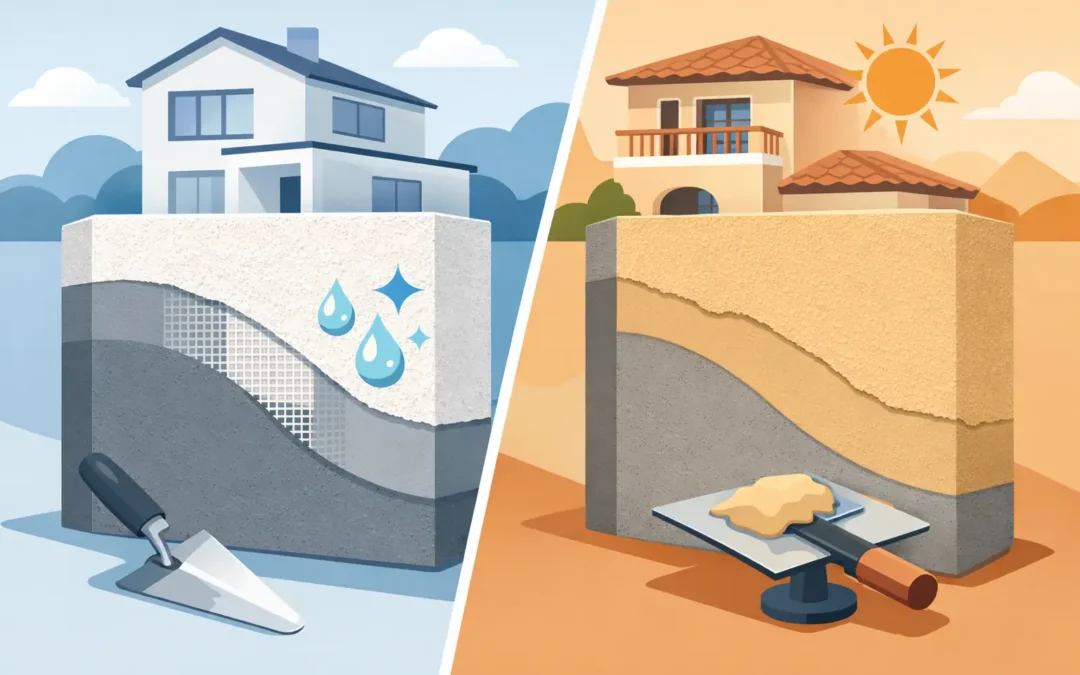
A tired, cracked or mismatched exterior can make an otherwise well-kept property look neglected. When comparing K Rend versus monocouche render, the first thing to understand is that this is not always a straight choice between two identical products. K Rend is a well-known manufacturer with several render systems, while monocouche is a type of through-coloured, typically one-coat render. The right answer depends on the wall beneath it, the finish you want and how the system will be fitted.
For homeowners and landlords, the priority is usually simple: an attractive exterior that stands up to North West weather, needs sensible upkeep and is applied properly. Getting the specification right before work begins is just as valuable as choosing the colour.
K Rend versus monocouche render: the key difference
Monocouche comes from the French term for “single layer”. It is a cement-based render mixed with pigment, then applied in one main coat to an appropriate background. Once it has firmed up, it can be scraped back to produce an even, fine textured finish. Because the colour runs through the material, small knocks or surface marks are generally less obvious than they would be on painted sand and cement render.
K Rend is a brand rather than one individual render finish. Its range includes through-coloured monocouche-style products as well as modern silicone-based and thin-coat finishes used as part of complete render systems. That means a K Rend specification may, in some cases, actually include a monocouche product. In others, it may refer to a silicone render applied over a reinforced basecoat and insulation board.
This distinction matters. Asking whether K Rend or monocouche is better can lead to an unhelpful comparison unless the exact product and wall build-up are clear. A better question is: what render system will suit this property, and why?
Appearance and colour options
Both options can transform a dated exterior into a clean, contemporary façade. Monocouche is often chosen for its consistent, lightly textured scraped finish. It suits many houses, extensions, boundary walls and commercial premises where a traditional rendered appearance is wanted without the need for regular repainting.
K Rend systems offer wider flexibility depending on the chosen product. Silicone finishes, for example, are available in a broad range of colours and textures, from a fine smooth effect to a more pronounced grain. They can be particularly effective where clients want a modern finish or are combining render with feature cladding, brick slips or tiled details.
Neither finish should be selected from a small colour chart alone. Colour can look very different across a full elevation, especially on a south-facing wall or beside existing brickwork, roof tiles and windows. Lighter shades are often a safe choice for a timeless result, while darker colours can look striking but may show dust, salts or irregularities more readily. A good installer will discuss samples, elevations and practical expectations before the work starts.
Weather resistance and maintenance
Manchester, Salford, Bolton and Bury all experience regular rain, changing temperatures and plenty of airborne dirt. Exterior render needs to deal with moisture sensibly, rather than simply look good on the day it is finished.
A correctly specified monocouche render provides a durable, through-coloured surface. However, as with any cement-based finish, it needs the right preparation, adequate curing conditions and suitable detailing around openings, sills and rooflines. It is not a product that should be rushed onto an unstable wall or applied in poor weather simply to keep a programme moving.
Many K Rend silicone finishes are valued for their water-repellent and vapour-permeable qualities. In plain terms, they are designed to shed rainwater while allowing moisture vapour within the wall structure to escape. Their surface can also be less prone to holding dirt than some traditional finishes, although no exterior is completely maintenance-free. Trees, traffic pollution, shaded elevations and poor drainage can still encourage algae or staining.
Gentle cleaning at appropriate intervals can keep either finish looking its best. Aggressive pressure washing is not a sensible default, as it can damage textured render, force water into weak areas or leave an uneven appearance. The cause of staining should be addressed too. Overflowing gutters, leaking pipes and ground levels that bridge the damp-proof course will shorten the life of any render system.
The wall condition matters more than the label
The existing substrate is one of the biggest factors in the decision. Sound brickwork, blockwork and existing render can all require different preparation. Cracks may be superficial, but they can also point to movement, failed render, water penetration or structural issues that need attention before a decorative finish is applied.
Monocouche is commonly used directly onto suitable masonry with the correct preparatory coats and beads. It can be an excellent choice where the background is stable, flat enough to work with and the project calls for a durable scraped render finish.
A K Rend system may be more appropriate where a reinforced basecoat is needed, where insulation is being added, or where the desired finish is a flexible silicone topcoat. External wall insulation projects, in particular, should be treated as complete systems. Insulation boards, fixings, mesh, basecoat, primer and finish are designed to work together. Mixing materials casually to save a little money can create avoidable problems with adhesion, cracking or warranty support.
Existing painted walls require special care. A new render will only perform as well as the surface beneath it. Loose paint, hollow render, contamination and poor previous repairs must be dealt with properly rather than covered over. The same applies to old brickwork that has suffered from damp or deteriorated pointing.
Cost: compare the whole job, not just the bag price
Monocouche can appear more economical because it combines the body coat and coloured finish in one material. On the right project, this can make it a practical and cost-effective option. But the installed cost still depends on access, scaffold, wall preparation, beads, mesh reinforcement, repairs, reveals, window protection and the complexity of the elevation.
A silicone K Rend system can cost more in materials and involve several stages, particularly where external wall insulation is included. That does not automatically make it the better option for every property. It may, however, offer the right balance of flexibility, water resistance and finish quality for a wall that needs more than a straightforward render replacement.
Be wary of quotes that only state “render house” with no detail. A clear quotation should explain what will be removed or repaired, how the background will be prepared, whether mesh reinforcement is included, which product system will be used, the chosen finish and colour, and how surrounding areas will be protected. That clarity is often the difference between a finish that lasts and one that begins to fail after a few winters.
When monocouche is likely to be the better choice
Monocouche often suits properties where the aim is a classic, through-coloured scraped finish on sound masonry. It is a strong option for homeowners who want to replace peeling painted render and avoid the ongoing cycle of exterior painting. It can also be well suited to extensions and garden walls where a consistent finish is more important than an ultra-fine decorative texture.
The installation quality remains critical. Uneven backgrounds, poor timing during scraping, inconsistent mix ratios or inadequate protection from rain and frost can affect the finished colour and texture. Even a quality product cannot compensate for poor workmanship.
When a K Rend system may be the better choice
A K Rend silicone or insulated system can be a better fit where the building would benefit from a more flexible finish, a wider decorative choice or improved thermal performance. It is particularly worth considering for older solid-wall homes that are cold to live in, provided the property has been assessed properly and detailing around windows, eaves and ground level can be completed correctly.
It can also make sense for commercial fronts and larger façades where uniformity, weather performance and a particular colour or grain are important. The key is to specify the actual K Rend product, not just the brand name, so everyone understands what is being supplied and installed.
Choose the installer as carefully as the render
The best render choice is only as good as the preparation and application behind it. External finishing involves more than mixing material and applying it to a wall. It requires sound assessment, clean protection of windows and paths, straight bead lines, proper mesh placement, controlled working conditions and careful finishing around every detail.
At DecoRenders, that conversation starts with the property itself rather than a one-size-fits-all answer. A close look at the existing walls, the cause of any defects and the result you want will point towards the most suitable system.
If you are weighing up a fresh monocouche finish against a K Rend system, ask for a clear explanation of the proposed build-up and the preparation involved. A finish you can trust begins long before the final coat goes on.
Recent Comments